
Behind the Scenes of a National Ad Campaign Shoot
Most people see the final image — a billboard, a magazine spread, a digital banner. What they don't see is the weeks of preparation, the controlled chaos of production day, and the meticulous post-production that turned a concept into a campaign.
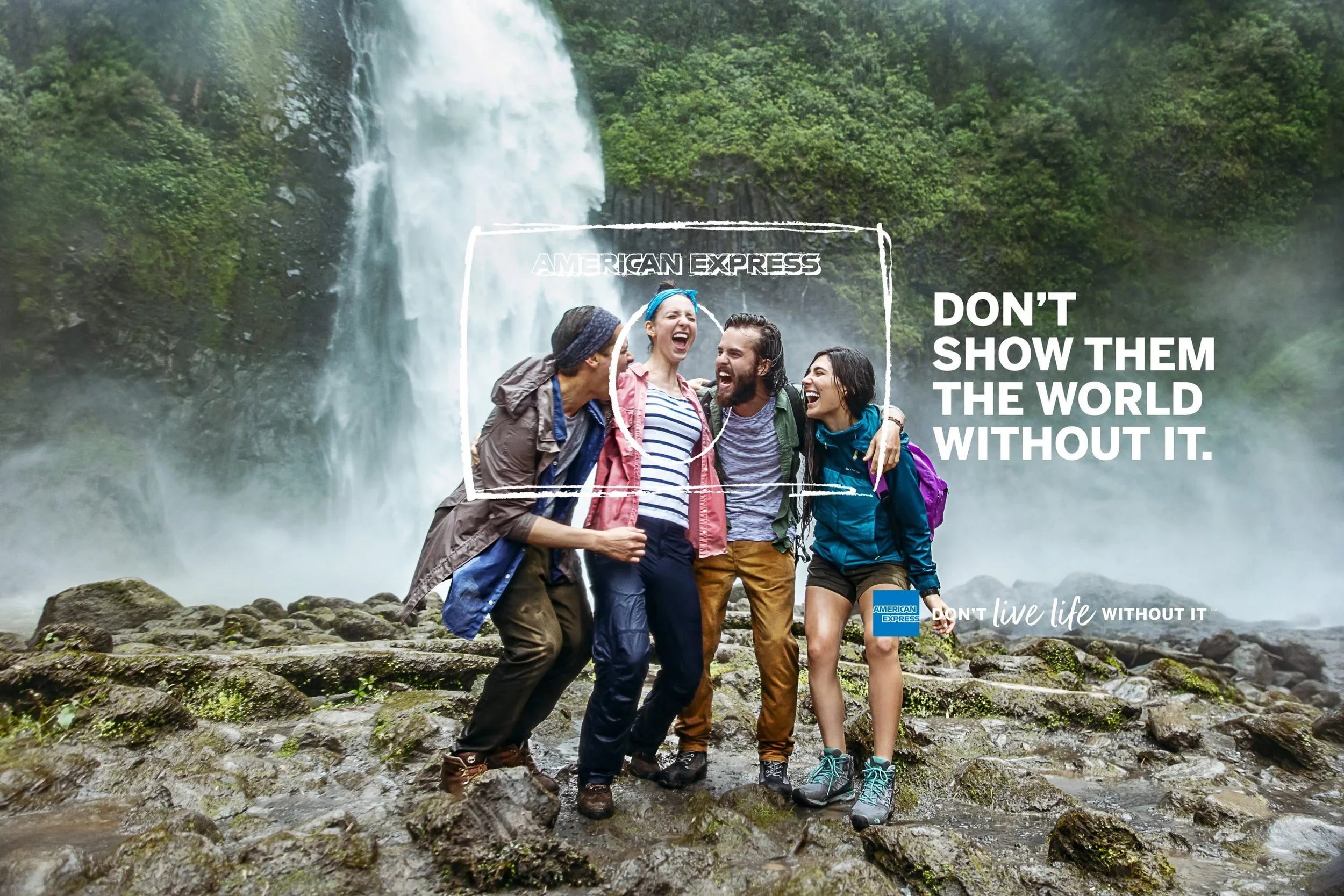
I've photographed national campaigns for brands like Pepsi, American Express, Toyota, Visa, and Volkswagen. Every one of them followed a similar arc — and every one of them surprised me in ways I didn't expect. Here's what the process actually looks like from behind the camera.

Phase One: The Brief and Pre-Production
Every campaign starts with a brief from the agency or brand. This document outlines the campaign's objectives, target audience, key message, tone, and deliverables. A brief might say something like: "We need three hero images for a digital campaign targeting 25-40 year old professionals, communicating premium quality and modern lifestyle."
From there, my job is to translate words into a visual plan. Mood boards with lighting references, color palettes, and compositional ideas. Then the practical planning: location scouting or studio booking, casting and callbacks, wardrobe and styling coordination, equipment and crew scheduling.
For a national campaign, pre-production typically takes two to four weeks. I work closely with the agency's creative director and art director during this phase. Every decision — from the angle of a product to the color of a background wall — is discussed, tested, and approved before shoot day.
Here's what most people outside the industry don't realize: by the time I press the shutter on production day, about 80% of the creative decisions have already been made. The shoot is execution. The art happens in pre-production.
Phase Two: Production Day (Where Plans Meet Reality)
A national campaign shoot is a coordinated operation. The team on set typically includes a creative director, an art director, a stylist, a hair and makeup team, a digital tech, lighting assistants, a producer, and sometimes the client's brand team. On a large production with agencies like BBDO or DDB, you might have 20 to 30 people on set.
My role goes beyond pressing the shutter. I'm directing the talent, adjusting lighting in real time, communicating with the art director, and making creative decisions that don't appear in the brief but are critical to the final image.
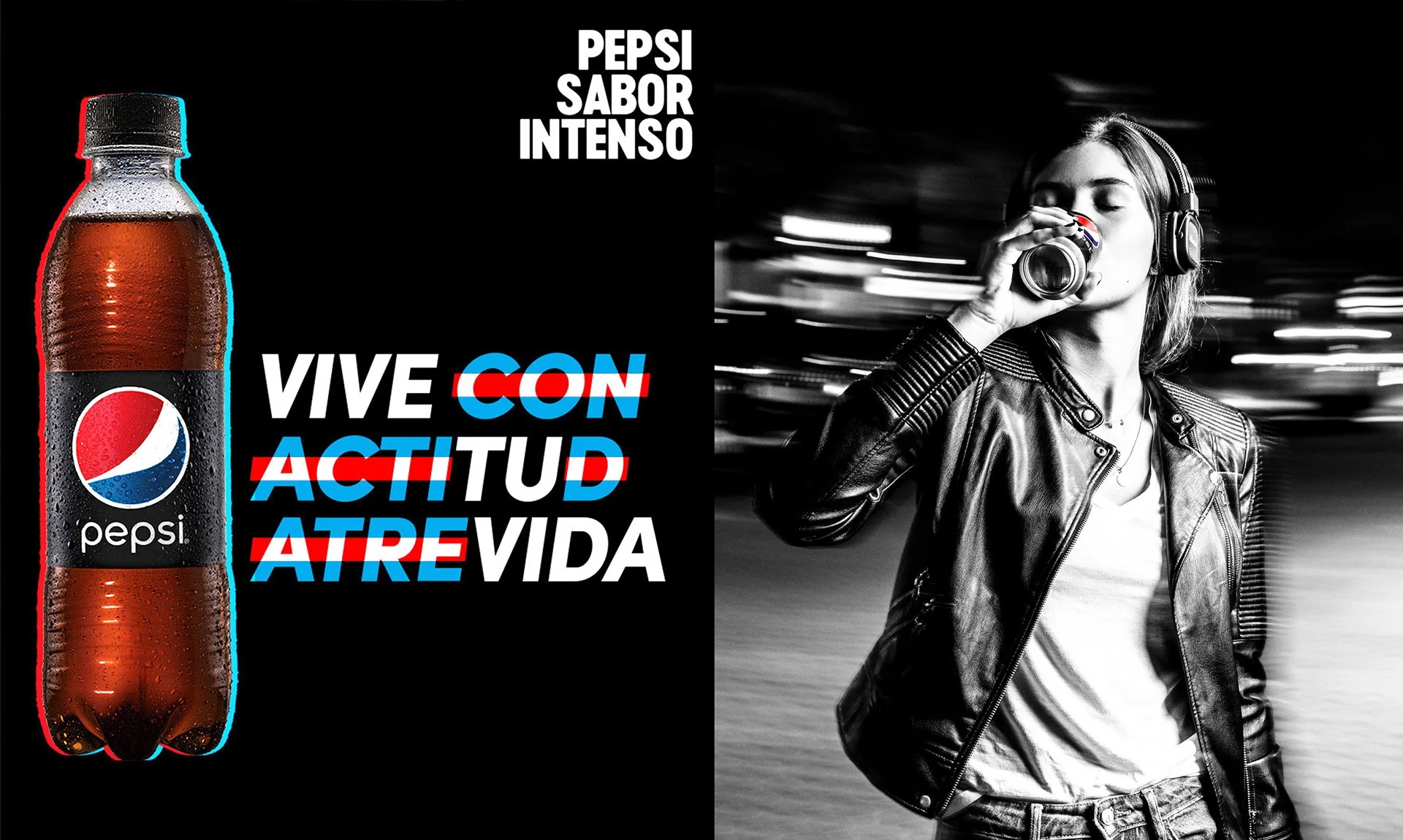
A real example: During the Pepsi Black shoot with BBDO, we had 28 people on set and a 12-hour window. At hour eight, the creative director wanted to completely change the lighting direction. In a less-prepared production, that request would have caused panic. But because our pre-production was rigorous — every lighting setup mapped in advance, backup configurations ready — I could say yes and deliver a test in under fifteen minutes. Those two test frames became the hero images. That campaign went on to win an Effie Award for advertising effectiveness.
The lesson I took from that day is one I now bring to every shoot: production discipline exists so you can say yes to spontaneity when it matters. The structure isn't there to limit creativity — it's there to enable it under pressure.
We shoot tethered, meaning every frame appears on a monitor in real time. The creative team reviews each shot as it's taken, allowing immediate feedback and adjustments. A typical production day runs 10 to 14 hours, and we might capture 500 to 2,000 frames to deliver 5 to 10 final images.
Phase Three: Post-Production (Where Good Becomes Great)
The shoot ends, but the work doesn't. Post-production for advertising photography is a craft in itself.
It starts with image selection — going through hundreds of frames with the creative team to identify the strongest candidates. Then comes retouching, which in advertising is not about making things look fake. It's about making things look exactly right.
Skin tones need to be consistent. Product colors need to match Pantone specifications. Backgrounds need to be clean without looking sterile. Every pixel is examined at 100% zoom.
Another real moment: On a Toyota campaign, the agency approved the image on set. Everyone was happy. But during post-production, I noticed the car's paint color was shifting slightly under the mixed lighting we'd used. The difference was invisible on the tethered monitor but obvious in the final file. I spent six hours doing targeted color correction to match Toyota's exact brand color spec. The agency never knew there was a problem — because there wasn't one by the time they received the final files.
That's what separates professional advertising post-production from "editing." It's not about filters. It's about invisible precision.
Color grading establishes the campaign's visual tone. A warm, golden palette for a lifestyle brand. A cool, high-contrast look for a technology company. The grade needs to be consistent across all deliverables — from a 40-foot billboard to a 1080x1080 Instagram square.
Final files are delivered in multiple formats: print (CMYK, 300 DPI), digital (sRGB, various dimensions), out-of-home (massive resolution), and social media (platform-specific crops). Each format has different technical requirements that affect how the image reads. I detail many of these technical considerations in The Lighting Playbook, my guide to professional portrait lighting.
What Separates Professional From Amateur
The difference between a professional advertising shoot and an amateur one isn't the camera. It's the process. It's knowing that a slight change in lighting angle will make a product look more premium. It's understanding that the talent's body language needs to shift between the lifestyle shot and the product-focused shot. It's having backup plans for every scenario.
In my experience shooting for multinational agencies like BBDO, DDB, and MullenLowe, the photographers who succeed combine creative vision with operational discipline. The American Photographic Artists (APA) has guidelines on professional standards for exactly this reason — the industry demands both art and reliability.
The art matters. But so does showing up with a production plan that the entire team can execute without confusion.

Explore the Work
You can see the results of this process across my advertising portfolio. If you're a creative director or brand manager planning a national campaign, I'd welcome the conversation — get in touch here.
For more about my creative philosophy, read about my experience judging the PHNX Awards or explore my approach to portrait photography and celebrity campaigns.
