
Photographing Latin Music: From Reggaeton to Latin Pop
Latin music has gone from regional genre to global force. In 2025, Latin artists dominated streaming platforms, topped Billboard's Latin charts, sold out stadiums worldwide, and crossed over into fashion, film, and luxury branding. Behind every album cover, press release, and social media post that fueled this rise, there was a photographer who understood not just how to shoot — but how to see the culture.I've been photographing Latin music artists in Miami for years — and working as a music video director in Miamialongside the photography. Ozuna, Tini Stoessel, Feid, Rauw Alejandro, Marc Anthony, Juanes, Kany Garcia, CNCO, Lele Pons, Pedro Capó — each one with a different visual identity, a different audience, and a different story to tell through images.
Why Latin Music Photography Is Its Own Discipline
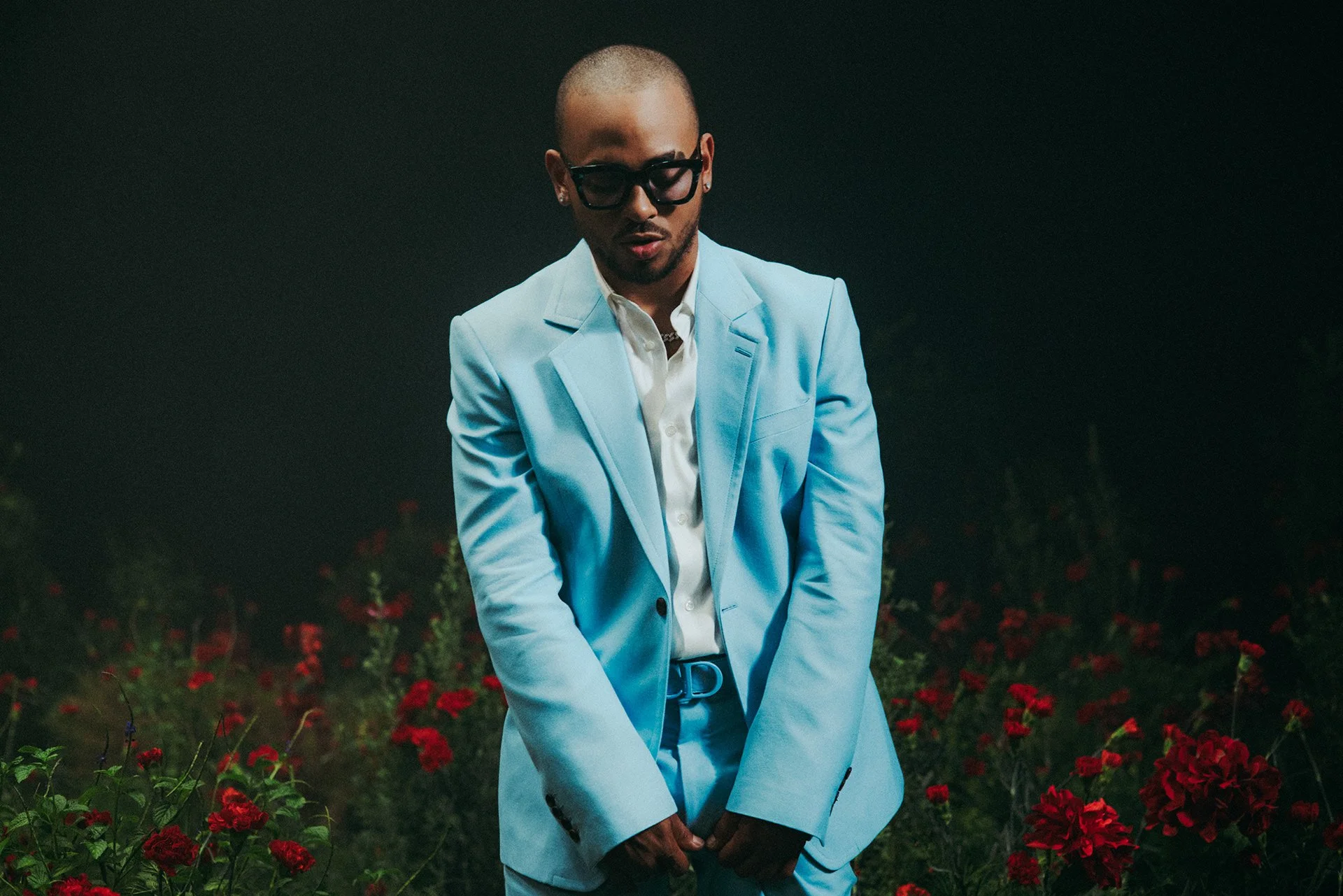
Photographing a reggaeton artist is not the same as photographing a rock band. The visual codes are different. The color palettes are bolder. The styling is more deliberate. The connection between the artist's image and their brand is tighter than in almost any other genre.
When I photograph Ozuna, the visual approach reflects his world: playful but powerful, colorful but grounded. When I work with Feid, the energy shifts — darker tones, more urban textures, a visual language that matches the sonic identity of his music. These aren't arbitrary choices. They come from understanding the artist's discography, their audience demographics, and where the images will live.
A Latin music photographer needs to move fluently between these worlds. In the same week, I might shoot a reggaeton artist for an album campaign, a Latin pop star for a magazine feature, and a tropical artist for a brand collaboration. Each demands a different visual vocabulary.
The Miami Advantage for Latin Music Photography
There's a reason almost every major Latin music photographer operates out of Miami. The city is the nerve center of the Latin music industry. Sony Music Latin, Universal Music Latin, Warner Music Latina — they're all here. The recording studios are here. The managers, publicists, and creative directors are here.
For a photographer, this means proximity. When an artist needs a last-minute shoot for a single release, when a label needs press images for a Latin Grammy campaign, when a brand needs content with their Latin ambassador — the call goes to the best photographer near them who can execute at the highest level within days, sometimes hours.
Miami also offers something no other American city can: a visual landscape that feels authentically Latin while still being technically within the US market. The architecture, the light, the vegetation, the street culture — it all translates naturally into imagery that resonates across the Americas.
Behind the Scenes: What a Latin Music Shoot Looks Like
A typical shoot for a Latin music artist follows a rhythm that is both structured and spontaneous.
Pre-production is everything. The creative direction starts with conversations between the photographer, the artist's team, and often the label's creative department. We discuss the campaign's goals, the visual references, the styling direction, and the deliverables. For music video stills and promotional imagery, this phase can take weeks.
On shoot day, the energy on set is different from a commercial or corporate shoot. Latin artists bring their own creative energy — they're performers by nature, and the best images happen when you create an environment where that performance can flow naturally. My job is to build a technical framework (lighting, angles, composition) that captures that energy without constraining it.
Post-production for Latin music imagery has its own standards. Colors tend to be more saturated and contrasty than in, say, fashion editorial. Skin retouching needs to be invisible — the audience expects to see the real person they follow on Instagram. And every image needs to work across platforms that have different technical requirements: streaming service thumbnails, social media feeds, press kits, billboards, and physical merchandise.

The Album Cover: The Most Important Single Image
In the streaming era, the album cover is more important than ever. It's the tiny square that represents an artist's work across every platform in the world. It needs to communicate genre, mood, and identity in a fraction of a second.
I approach album cover photography as a design challenge as much as a photographic one. The image needs to work at 3000x3000 pixels on a desktop screen and at 150x150 pixels on a phone. It needs to be recognizable in a grid of dozens of other covers. It needs to survive compression without losing its impact.
Some of my most rewarding work has been creating visual identities for album and single releases — images that become inseparable from the music itself. When fans hear a song, the image comes to mind. That's the goal.
Working With Latin Artists
If you're a Latin music artist, manager, label, or publicist looking for a photographer who understands the culture, the visual standards, and the pace of this industry, explore my celebrity portfolio and my music video work. You can also reach out directly to discuss your next project.
My work has been featured in international press and I've been recognized as one of the 200 Best Ad Photographers Worldwide by Lürzer's Archive, bringing the same level of craft and creative direction to music photography as I do to advertising campaigns. For a deeper look at how I approach lighting for these shoots, The Lighting Playbook breaks down the philosophy and technique behind the images.

