
Why Your Brand Needs a Professional Photographer (Not Stock Photos )
There's a conversation I have with marketing directors at least once a month. It goes something like this: "We've been using stock photos for our campaigns. The results are okay. Why should we invest in a professional photographer?
The honest answer is that stock photography is not "okay." It's invisible. Your audience scrolls past it because they've seen the same image — or one nearly identical — on a competitor's website, a healthcare brochure, and a fintech landing page. Stock imagery signals "generic." And generic brands don't earn attention.
The Real Cost of Stock Photography
Stock photos seem cost-effective on the surface. A license from Getty Images or Adobe Stock costs $10-$500 per image. Compare that to a professional advertising shoot that might cost $5,000-$50,000. The math seems obvious.
But the math is wrong because it ignores two critical factors.
First, conversion. Custom photography that shows your actual product, your actual team, or a model in your actual brand context converts at significantly higher rates than stock. A HubSpot analysis of visual content marketing found that original images consistently outperform stock in engagement metrics. MDG Advertising's research showed that content featuring relevant, high-quality images receives 94% more total views than content without. And Nielsen's consumer neuroscience studies have repeatedly demonstrated that authenticity in brand imagery directly correlates with purchase intent.
The exact lift varies by industry and channel — I've seen increases ranging from 35% for B2B landing pages to over 200% for e-commerce product pages — but the direction is always the same: original beats stock.
Second, exclusivity. When you license a stock photo, so can your competitor. I've personally seen competing brands in the same city use the same stock image in their campaigns simultaneously. That's not a branding strategy — that's brand sabotage.
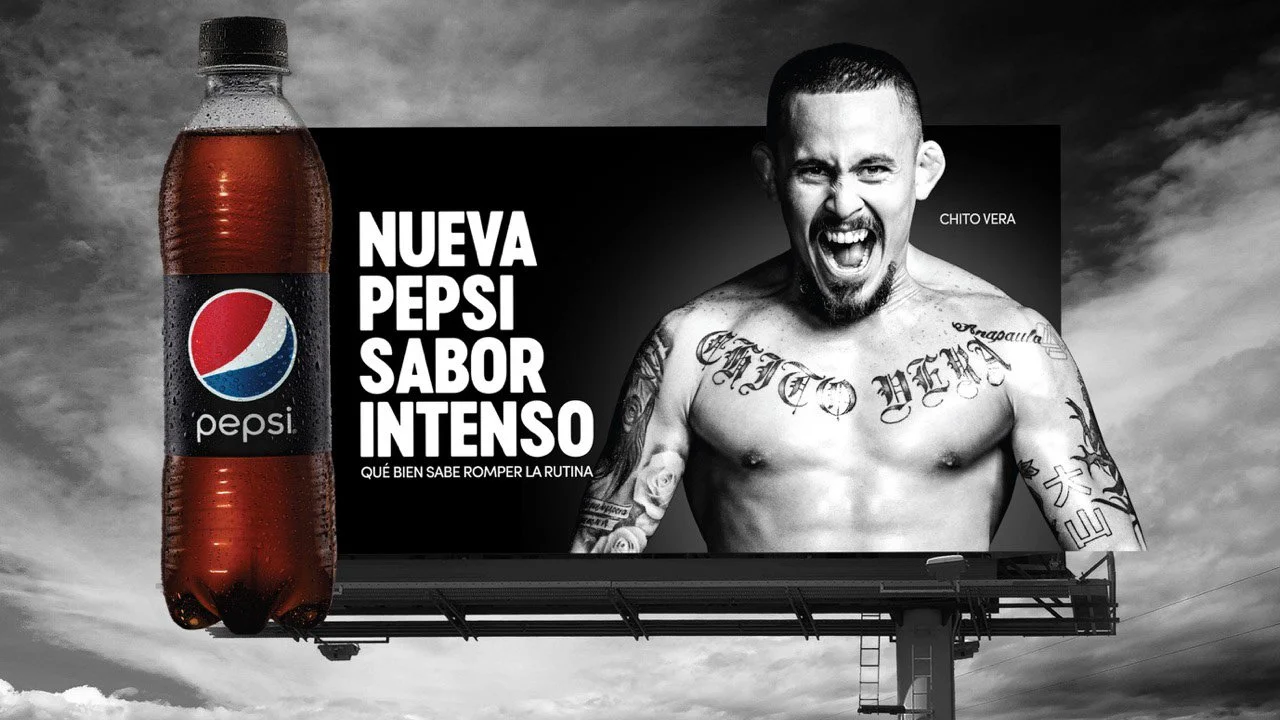
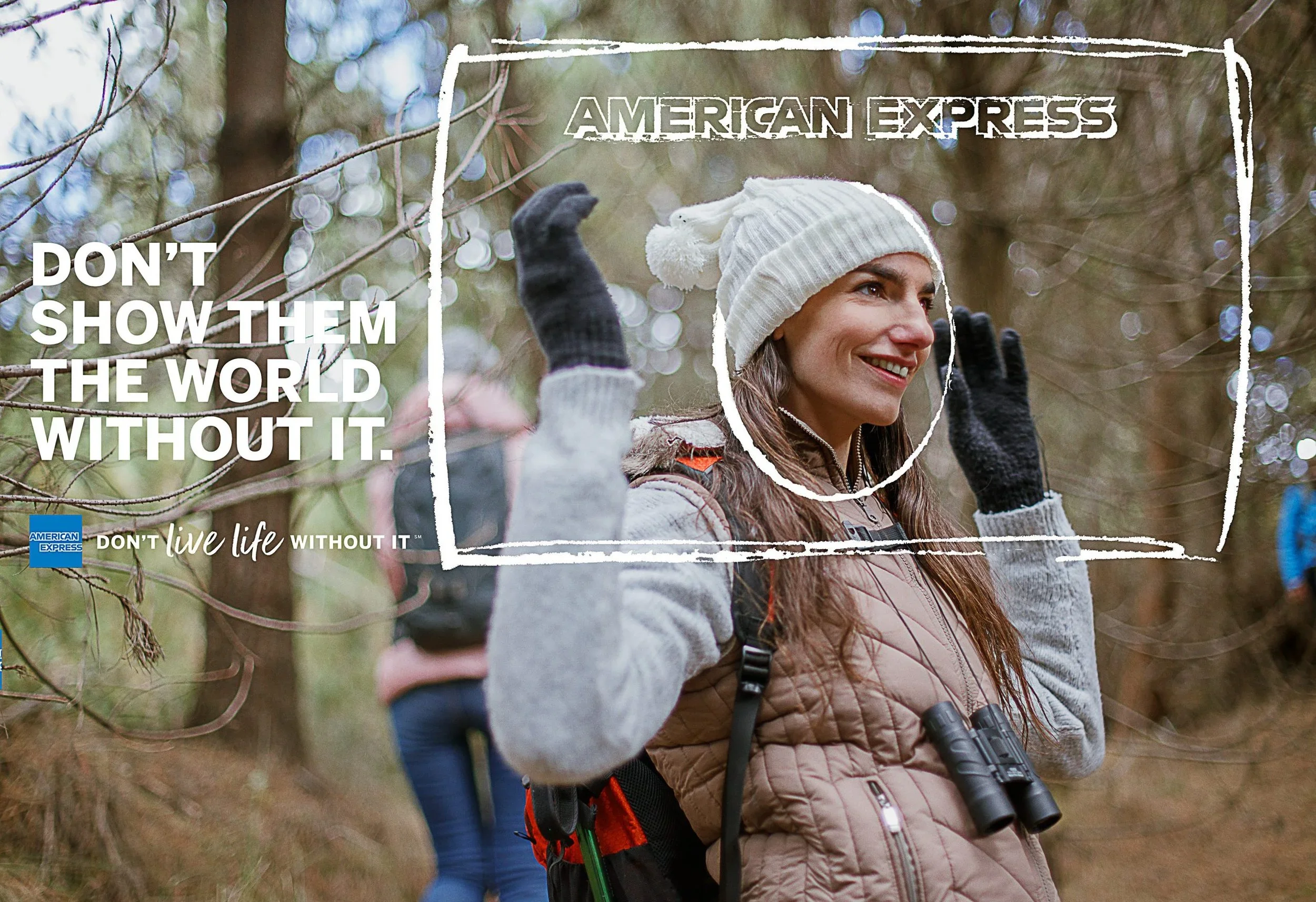
When I photograph a campaign for Pepsi or Discover Card, every image is created exclusively for that brand. No competitor can use it. No stock library can license it. The visual identity belongs entirely to the client.
What Professional Photography Gives You That Stock Cannot
Brand Consistency
A professional photographer develops a visual language for your brand and maintains it across every deliverable. The lighting, color palette, composition style, and mood remain consistent whether we're shooting for a billboard, a website, social media, or a print ad.
Stock photos come from dozens of different photographers with different styles. Your visual identity becomes fragmented — and fragmentation erodes trust. The Effie Awards consistently show that campaigns with visual consistency outperform those without, regardless of budget.
Authenticity
Today's consumers, especially younger demographics, are extraordinarily skilled at detecting inauthenticity. They can feel when an image is staged with generic models in a generic office. They can tell when a "team photo" was purchased rather than photographed.
Custom photography captures what's real about your brand — your actual spaces, your actual people, your actual products. That authenticity builds the kind of trust that stock imagery actively undermines.
Strategic Storytelling
Every image I create in an advertising campaign is designed to communicate a specific message to a specific audience. The model's expression, the lighting direction, the background choice, the crop — each element serves the strategy. This is the approach I detail in The Lighting Playbook: every lighting decision should serve a storytelling purpose.
Stock photography is created for no one in particular. Professional photography is created for your customer.
Asset Longevity
A well-planned professional photoshoot produces a library of images that serves your brand for years. A single shoot day might yield hero images for campaigns, supporting images for the website, social media content for months, and internal communications assets. The per-image cost drops dramatically when you plan for comprehensive coverage.
How to Make the Case Internally
If you're a marketing director trying to convince leadership to invest in professional photography, here's the framework that works.
Calculate the true cost per impression. Divide your annual stock photo budget by the number of people who see those images. Then calculate what even a 30% improvement in engagement would mean for your revenue. For most brands, the professional photography investment pays for itself within the first campaign cycle.
Show the competitive analysis. Gather screenshots of your competitors' visual content. How much of it is stock? If your competitors are using stock and you invest in custom imagery, you immediately differentiate. If they're already using professional photography and you're still on stock, you're falling behind.
Start with one project. You don't need to replace all stock imagery overnight. Commission a professional photoshoot for your highest-traffic page or your most important campaign. Measure the performance against the stock version. Let the results make the argument.
The Investment Makes Sense at Every Scale
You don't need a Fortune 500 budget to benefit from professional photography. I work with brands across the spectrum — from multinational campaigns with global celebrities to focused projects for regional brands entering the Miami market. The American Photographic Artists (APA) offers pricing guidelines that can help brands understand what different levels of production involve.
The key is planning. A well-organized half-day shoot with clear objectives can produce enough content for an entire quarter.
Let's Build Your Visual Identity
Explore my work across advertising, portraiture, and celebrity campaigns to see what professional photography looks like when it's built around a brand's specific needs. When you're ready to move beyond stock, let's talk.
