
The Analog Rebellion: Directing Juanes' "La Carta" on a 1965 Canon Scoopic
Behind the Scenes of Juanes' "La Carta": Shooting a Music Icon on a 1965 Canon Scoopic in Miami
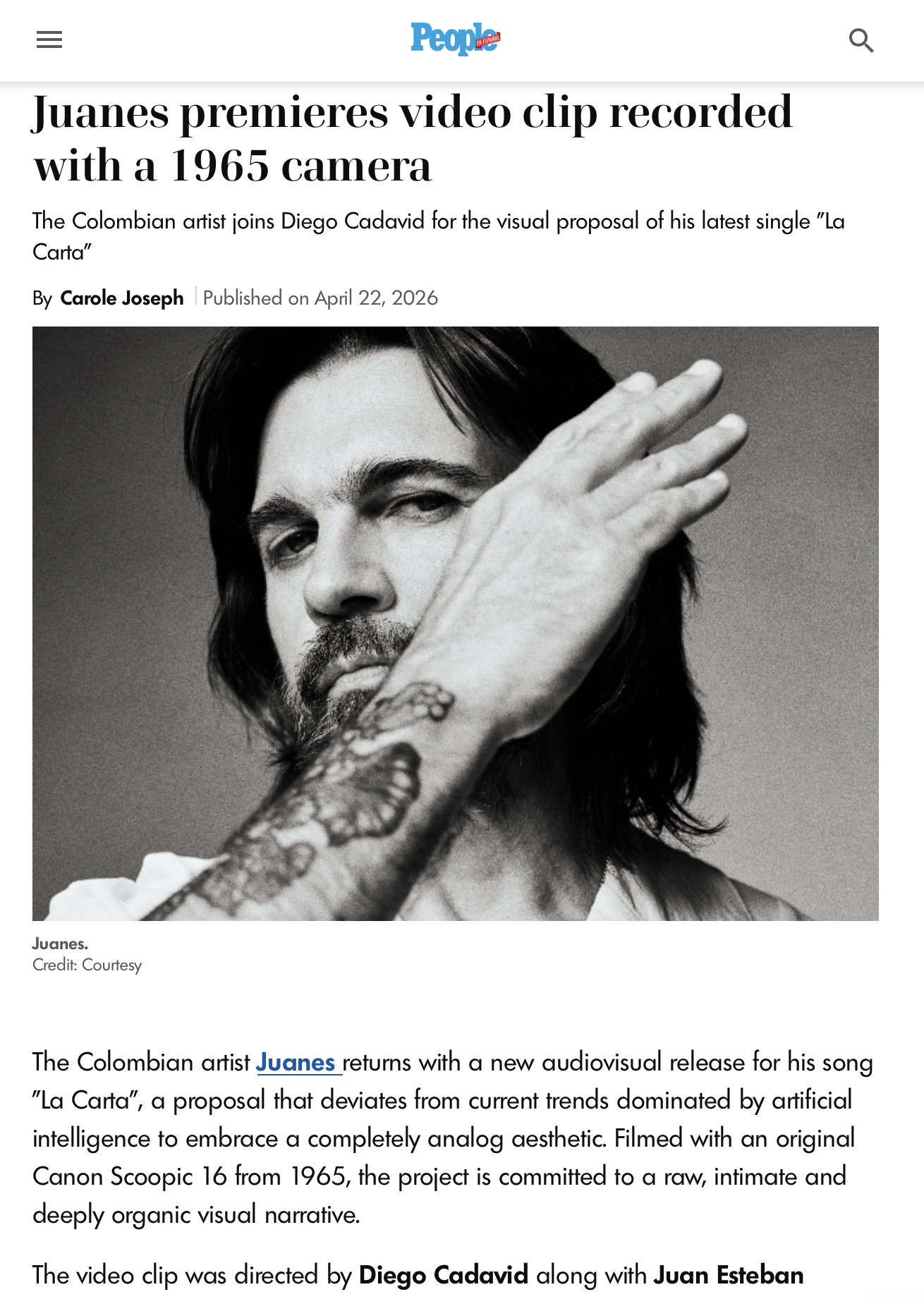
In April 2026, my team at Asa Films released the music video for Juanes' "La Carta" — and it sparked something I didn't fully expect. Within two weeks the video had been written up by [HOLA! USA](https://www.hola.com/us/entertainment/20260502899039/new-music-friday-may-1/), [People en Español](https://peopleenespanol.com/juanes-sorprende-impactante-videoclip-grabado-camara-original-1965-11955727), [US Magazine](https://www.usmagazine.com/enespanol/entretenimiento/juanes-estrena-video-de-la-carta-con-estetica-analogica-y-giro-visual/), and [El Diario NY](https://eldiariony.com/2026/04/22/inteligencia-artificial-y-creatividad-aliada-o-amenaza/) — all focused on one decision: we shot the entire video on a vintage 1965 Canon Scoopic 16mm camera.
This is the story of why we made that choice, what it cost us, and what we learned about the future of celebrity photography and music video direction in Miami.
## The brief
Juanes had a song. Not a "single in the cycle" song — a song that mattered to him. "La Carta" is about distance, longing, and the kind of love that takes the long way home. He didn't want a glossy AI-assisted concept reel. He wanted something that felt human, breathing, slightly worn at the edges.
The brief that came out of the first meeting at Asa Films was short: real, organic, analog. Nothing that looks like 2026 looks.
## Why a 1965 Canon Scoopic
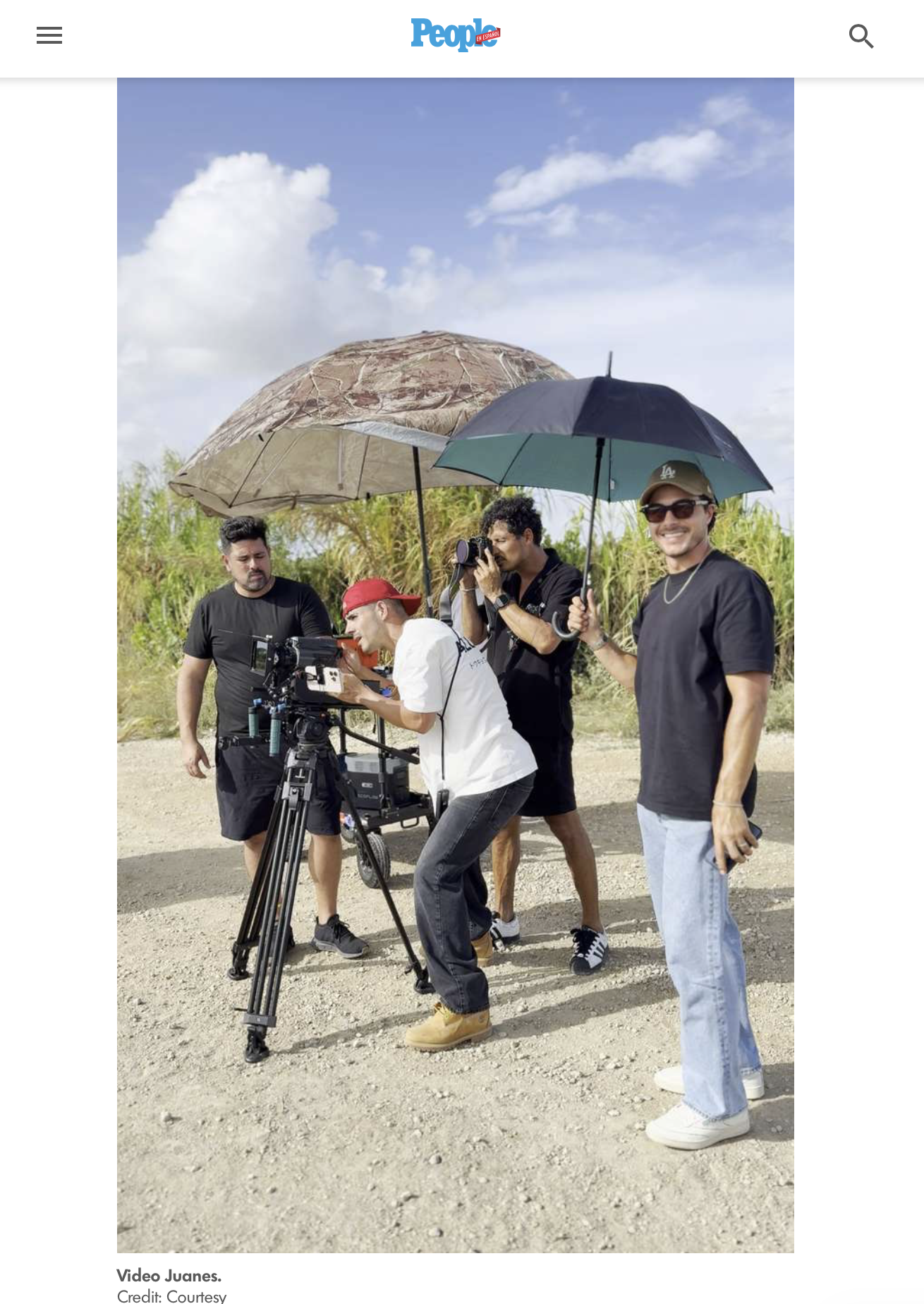
The Canon Scoopic 16 is a relic. It was built for newsreel journalism in the mid-1960s — a single-lens, hand-held 16mm camera designed to be loaded fast and shot from the shoulder. It has no autofocus, no playback, no LCD. You shoot a 100-foot roll, you don't see what you got until the lab develops it.
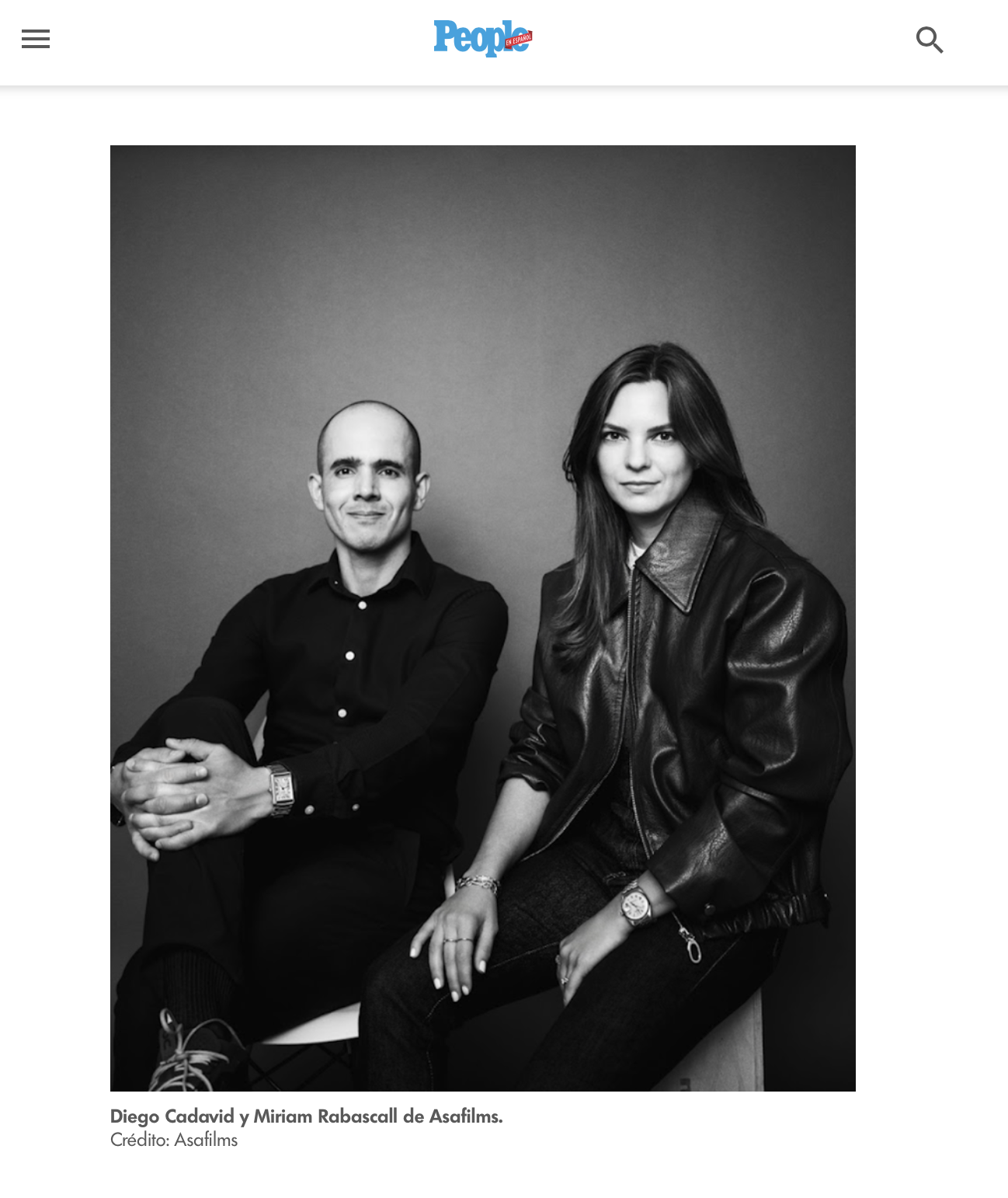
I co-directed the video with Juan Esteban Aristizábal and Mario Alzate, and we went back and forth on the camera choice for a long time. We tested an Arri 416. We tested an SR3. Both are technically better. But neither has the texture the Scoopic has — that slight softness in the corners, the way the gate gates a tiny bit of light in, the grain pattern.
In a year where every brand campaign you scroll past was probably AI-augmented somewhere in the pipeline, we wanted the video itself to be a statement of authorship. As I told HOLA! and El Diario NY at the time: we believe we are returning to the basics — toward what is organic and real versus synthetic.
## What that means for celebrity photography
I've been working as a Miami celebrity photographer for over a decade, and the brief from clients has shifted in the last 18 months. It used to be: make it look as polished as possible. Now it's: make it feel real. Make it look like a person made this.
That's not nostalgia. It's a market correction. Audiences are exhausted by perfect surfaces. When everything can be generated, the only differentiator left is intent — the choices a human made, the limitations they accepted, the moments they couldn't redo.
On the Juanes shoot, we had exactly seven 100-foot rolls. That's 28 minutes of footage. For a four-minute music video that's brutal — most music videos are shot with a 60:1 ratio, meaning you film 60 minutes per minute that makes it into the cut. We were at 7:1.
Juanes had to perform like it was a one-take theater piece. He did.
## The Miami connection
People ask why we shot this in Miami when Juanes lives in Medellín and the song's emotional center is Colombia. Two reasons.
First, Miami's light is unique. The afternoon sun off the bay, filtered through humidity, has a quality you can't recreate with diffusion. On 16mm film stock, that light becomes painterly. We shot one of the key sequences at golden hour on a rooftop in Wynwood, and the colors that came back from the lab looked like a 1970s Polaroid.
Second, Miami is where Asa Films lives. Our crew, our gear, our colorist. Working on home turf with people who'd been on a hundred shoots together meant we could move fast enough to actually get a Scoopic-shot music video done on a real production schedule.
For me, this is the case for [Miami as a celebrity photography destination](/celebrities). The infrastructure is here. The light is here. The talent is here. And the press attention follows when the work is good.
## What I'd do differently
A few honest takeaways:
1. Shoot more handheld camera tests in advance. Our first roll came back slightly out of focus on a key shot because we hadn't fully calibrated the Scoopic's focus throw. Lesson: never trust a 60-year-old mechanism without two days of pre-shoot calibration.
2. Build film into the budget conversation early. Film, processing, and telecine added about 18% to the line item budget. Worth it. But don't sell a client on analog without showing them the line.
3. Trust the lab. We sent rolls to Cinelab in New England. They've been processing film for music videos since the 1980s. The right lab will save you from yourself.
## What this means for the next 12 months
The Juanes video is just the start of a thread I'm pulling on. I'm now developing two more analog-first projects with brands in the Miami market — one fashion editorial, one campaign for a global beverage brand I can't name yet. The shift in the industry feels real, and Miami is well-positioned to be the place this approach takes hold first, because we have the light, the talent, and the brand market.
If you're a brand, an artist, or a label thinking about a project that wants to feel like a person made it: [get in touch](/contact).
---
## FAQ
Q: Who directed Juanes' "La Carta" music video?
A: The music video was directed by Diego Cadavid alongside Juan Esteban Aristizábal and Mario Alzate, produced by Asa Films in Miami.
Q: What camera was used to shoot "La Carta"?
A: A vintage 1965 Canon Scoopic 16mm camera, hand-held throughout. The decision was made to commit to a fully analog, organic visual language in contrast to the AI-generated content dominating the music industry in 2026.
Q: Where was the video filmed?
A: Primary photography took place in Miami, with crew and post-production coordinated through Asa Films.
Q: Where can I read the press coverage?
A: Coverage in [HOLA! USA]
(https://www.hola.com/us/entertainment/20260502899039/new-music-friday-may-1/), [People en Español](https://peopleenespanol.com/juanes-sorprende-impactante-videoclip-grabado-camara-original-1965-11955727), [US Magazine](https://www.usmagazine.com/enespanol/entretenimiento/juanes-estrena-video-de-la-carta-con-estetica-analogica-y-giro-visual/), and [El Diario NY](https://eldiariony.com/2026/04/22/inteligencia-artificial-y-creatividad-aliada-o-amenaza/).
---
Diego Cadavid is a Miami-based celebrity and advertising photographer and creative director. See more work at [dcadavid.com/celebrities](/celebrities), or [read about the Asa Films practice](/about).
Diego Sanchez Cadavid | Miami Fashion Photographer & Celebrity Director
