Lürzer's Archive 200 Best: How Brands Should Read Photographer Credentials When Hiring
Most brand teams hire photographers the way they hire restaurants — by vibe, by referral, and by whichever name surfaced first on Google. That's fine for a coffee shop. For a campaign that will represent the brand publicly for the next 18 months, it leaves money and reputation on the table.
This is a practical guide to the four industry credentials that actually mean something when you're hiring an advertising, celebrity, or commercial photographer in 2026 — what each signal tells you, what it doesn't, and how to combine them with the things that aren't on a CV.
It's written from inside the industry. I've been selected for Lürzer's Archive 200 Best Ad Photographers Worldwide, I'm an APA Pro member, and I've directed work that's been credited on IMDB and covered by HOLA! USA, People en Español, US Magazine, and El Diario NY. None of that makes me the only voice — but it does mean I've seen what these credentials look like from the inside, and what brands consistently misread when they show up on a treatment cover.
Why brand teams struggle to evaluate photographers
The market is opaque. Three reasons:
Portfolios are curated. Every photographer alive can put together 12 images that look like the work of someone twice their level. A portfolio shows you the ceiling of a body of work, not its floor. The floor is what you'll get on your project.
Awards are inconsistent. Some are juried by serious working creatives. Some are pay-to-enter. Some are old and prestigious but slow-moving. Some are new and trendy but signal nothing about commercial capability. Treating all awards the same is one of the costliest mistakes in production hiring.
The platforms confuse signals. A photographer with 200k Instagram followers might have never shot a paid brand campaign. A photographer with 12k followers might be doing the visual for a Super Bowl spot. The follower count tells you nothing about whether they can deliver under brand brief constraints.
So what should you actually look at?



The four credentials that actually mean something
1. Lürzer's Archive 200 Best Ad Photographers Worldwide
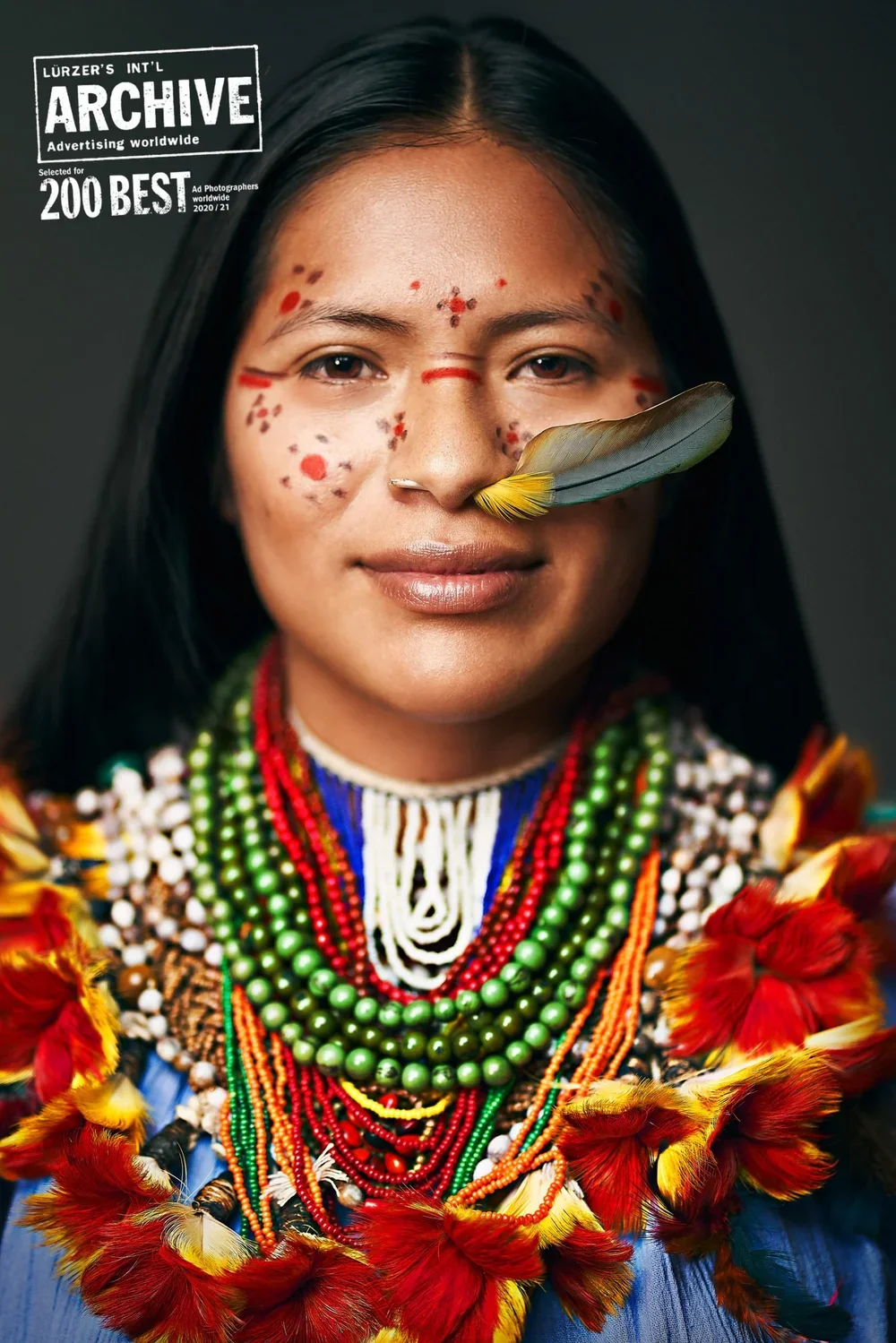
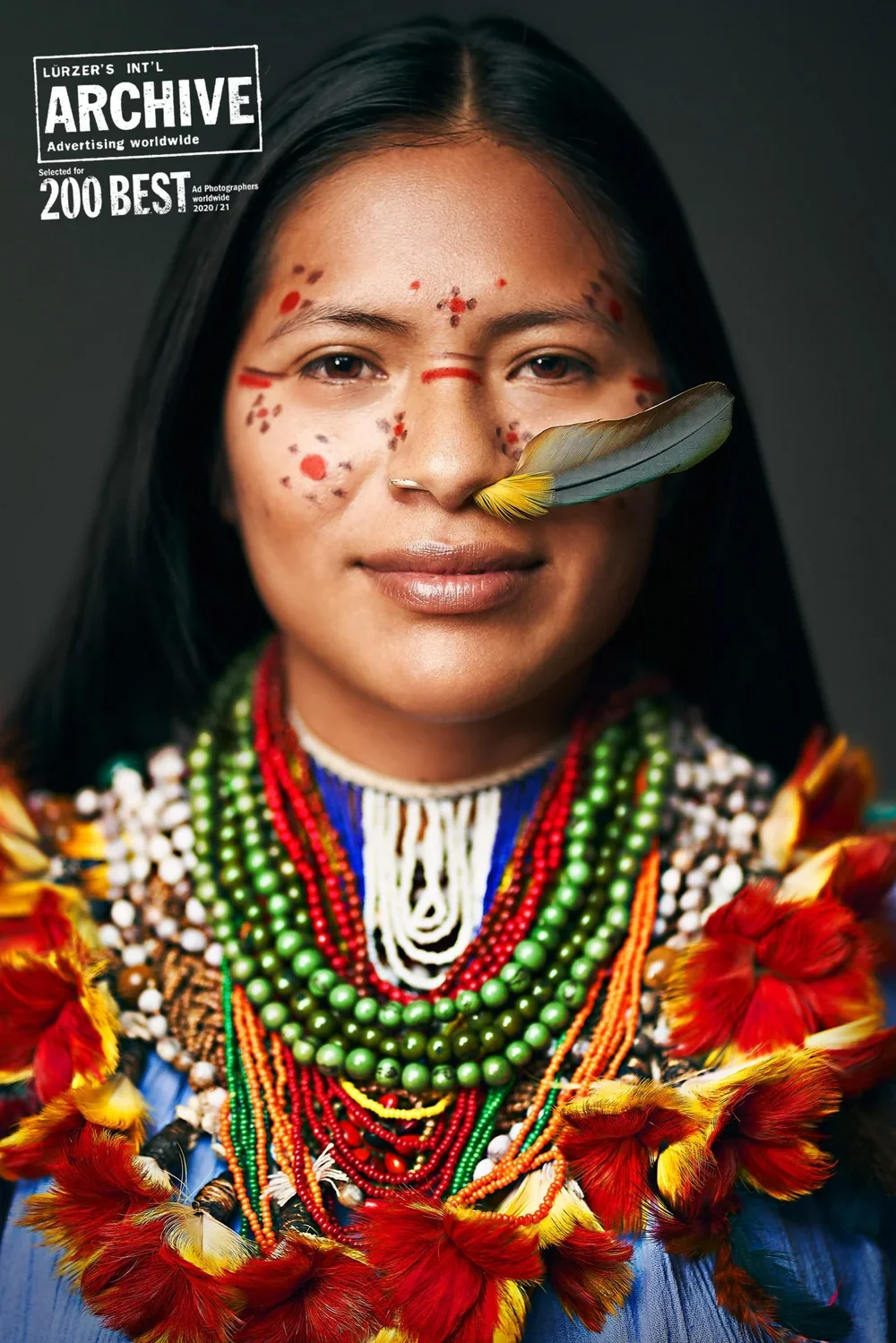
Lürzer's Archive has been the industry's reference of record for award-quality advertising creative since 1984. Every two years, their editorial team publishes a list of the 200 Best Ad Photographers Worldwide — selected by international art directors, creative directors, and Lürzer's own editorial committee from a global pool.
What being on the list signals to a brand:
The photographer has produced work that other top working creatives chose to nominate.
The work has appeared in paid advertising contexts (it's not just a beautiful portfolio — it's beautiful work that ran).
The selection is global, so it doesn't reward local hype.
It's reissued every two years, so it tracks photographers who have sustained their level (not one-hit talents).
What it doesn't tell you:
It doesn't measure ease of working with the photographer.
It doesn't predict day rate.
It doesn't tell you whether the photographer is good with talent (some Lürzer's photographers shoot still life and product exclusively — that's a different brief).
When you see "Lürzer's Archive 200 Best" on a treatment, treat it as a strong positive signal but verify the other three things below before signing.

2. APA Pro membership
The American Photographic Artists is the US trade association for commercial photographers. APA Pro membership requires a juried review — you submit your body of work, your client list, and your business documentation, and a committee of working pros decides whether you meet the threshold.
What it signals:
The photographer is a working commercial professional (not a hobbyist or part-timer).
They have a meaningful client roster that's been vetted by peers.
They run their practice professionally — contracts, licensing, insurance.
They're embedded in the industry's standards conversations (rates, usage rights, AI ethics).
This is the credential that brand procurement teams should care most about, because it's the one that signals operational reliability. A Lürzer's photographer might be hard to book and harder to manage. An APA Pro is, almost by definition, set up to deliver.
3. Effie Awards
The Effie Awards measure marketing effectiveness — not craft. An Effie is given to a campaign that drove measurable business results, judged by senior marketers, agency leadership, and academics. A photographer credited on an Effie-winning campaign was part of a project where the visual contributed to commercial outcomes the brand could quantify.
For brand-side hiring, this matters more than craft awards. A photographer with a Gold Effie has produced work that worked — not just work that won design-jury affection.
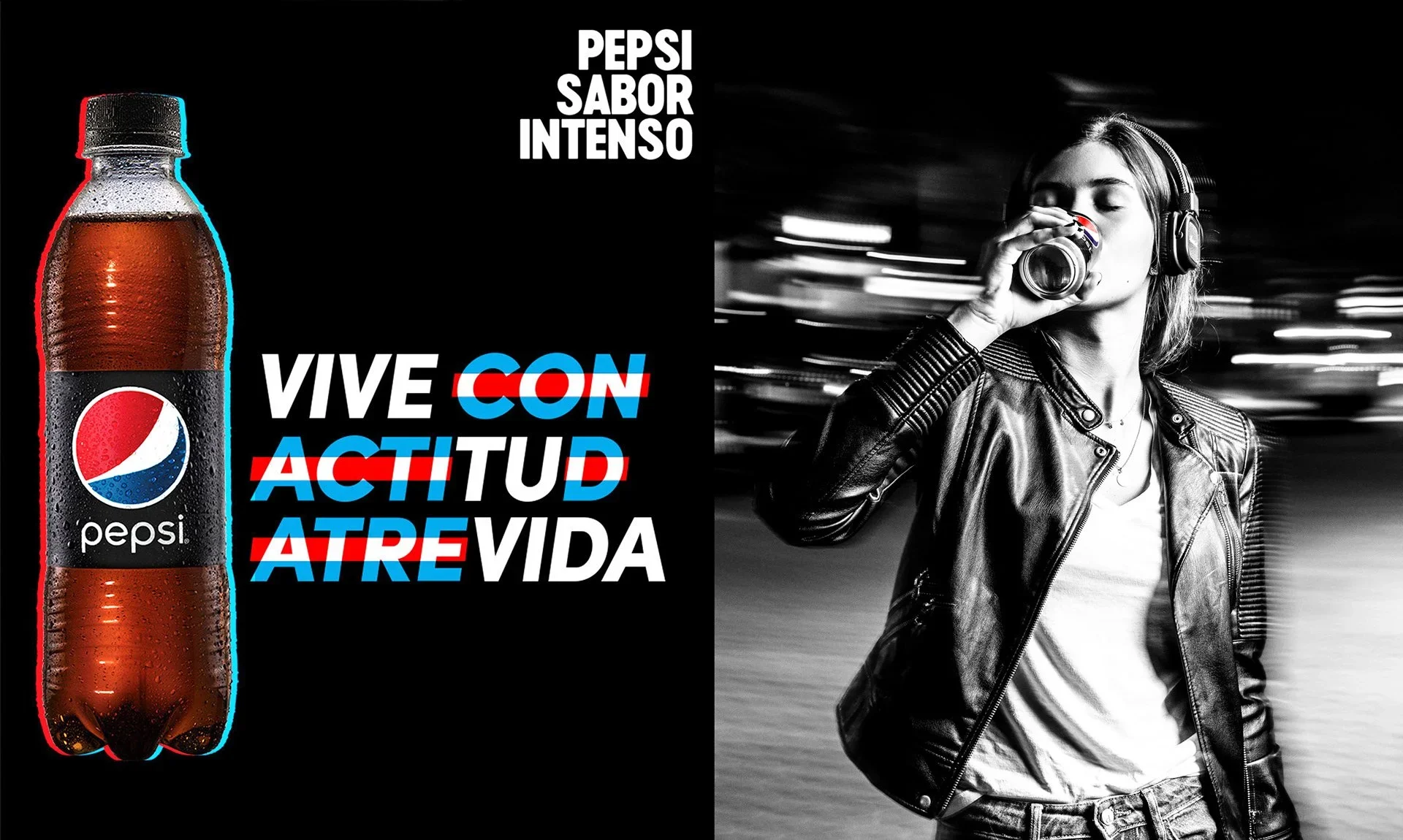
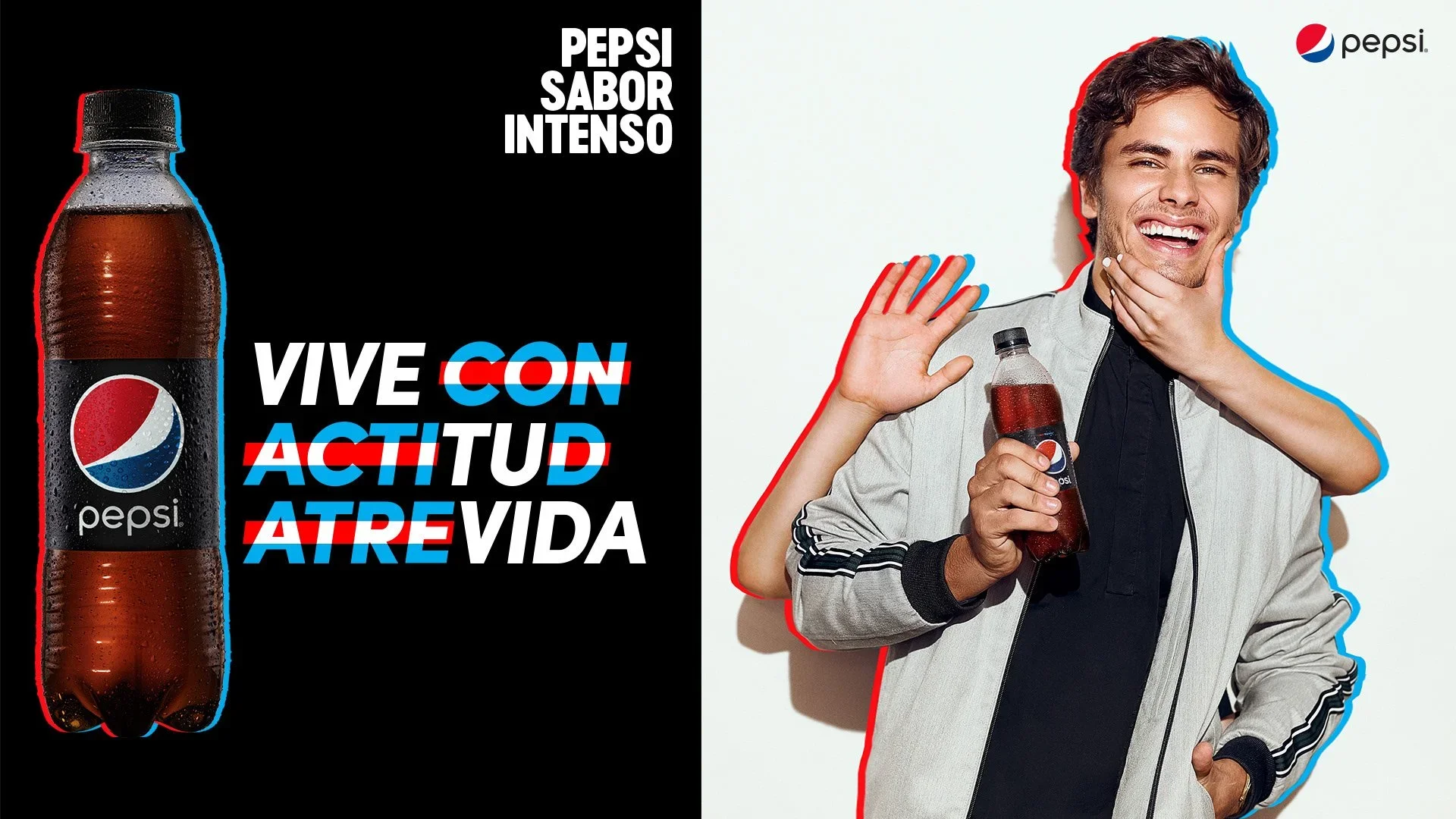
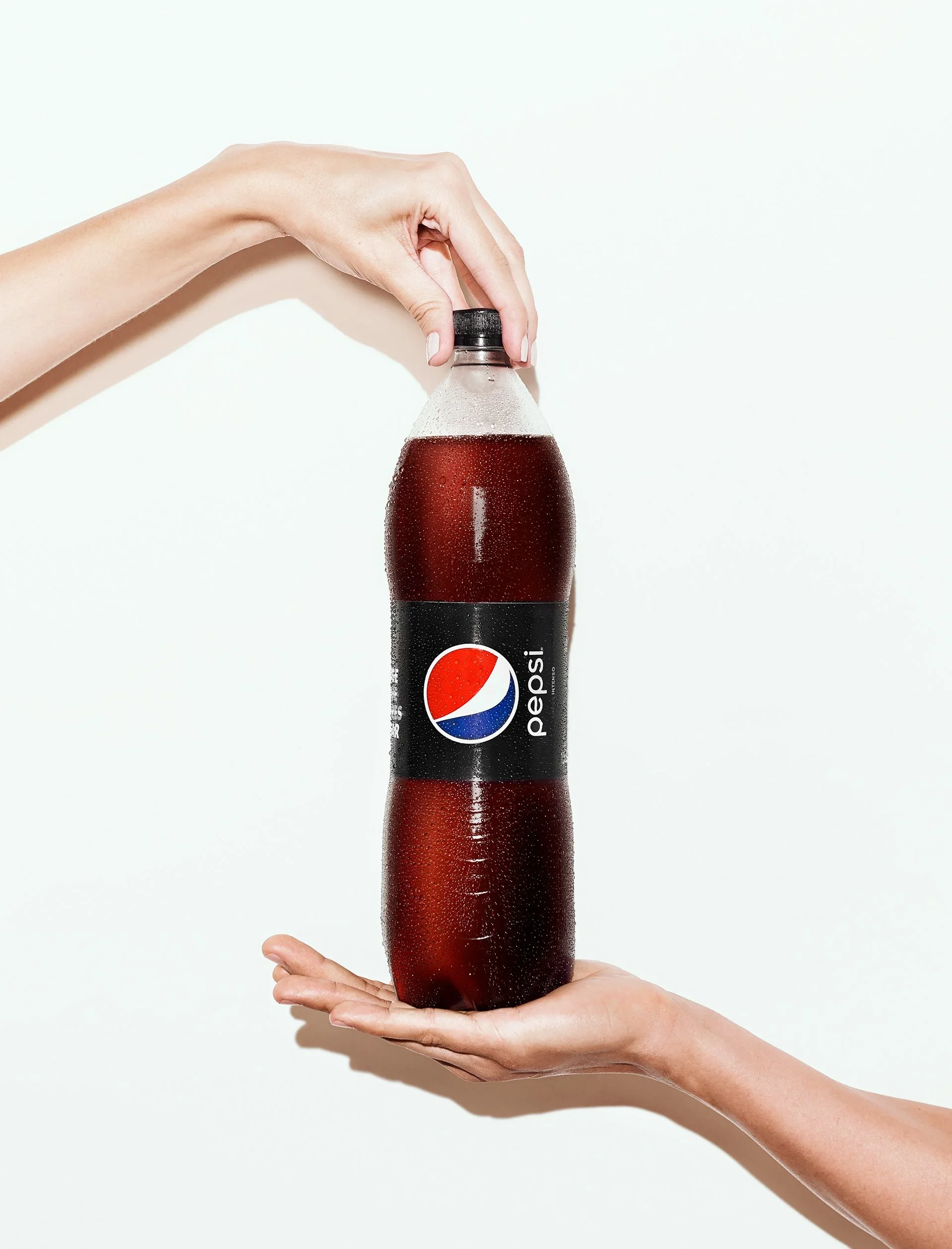
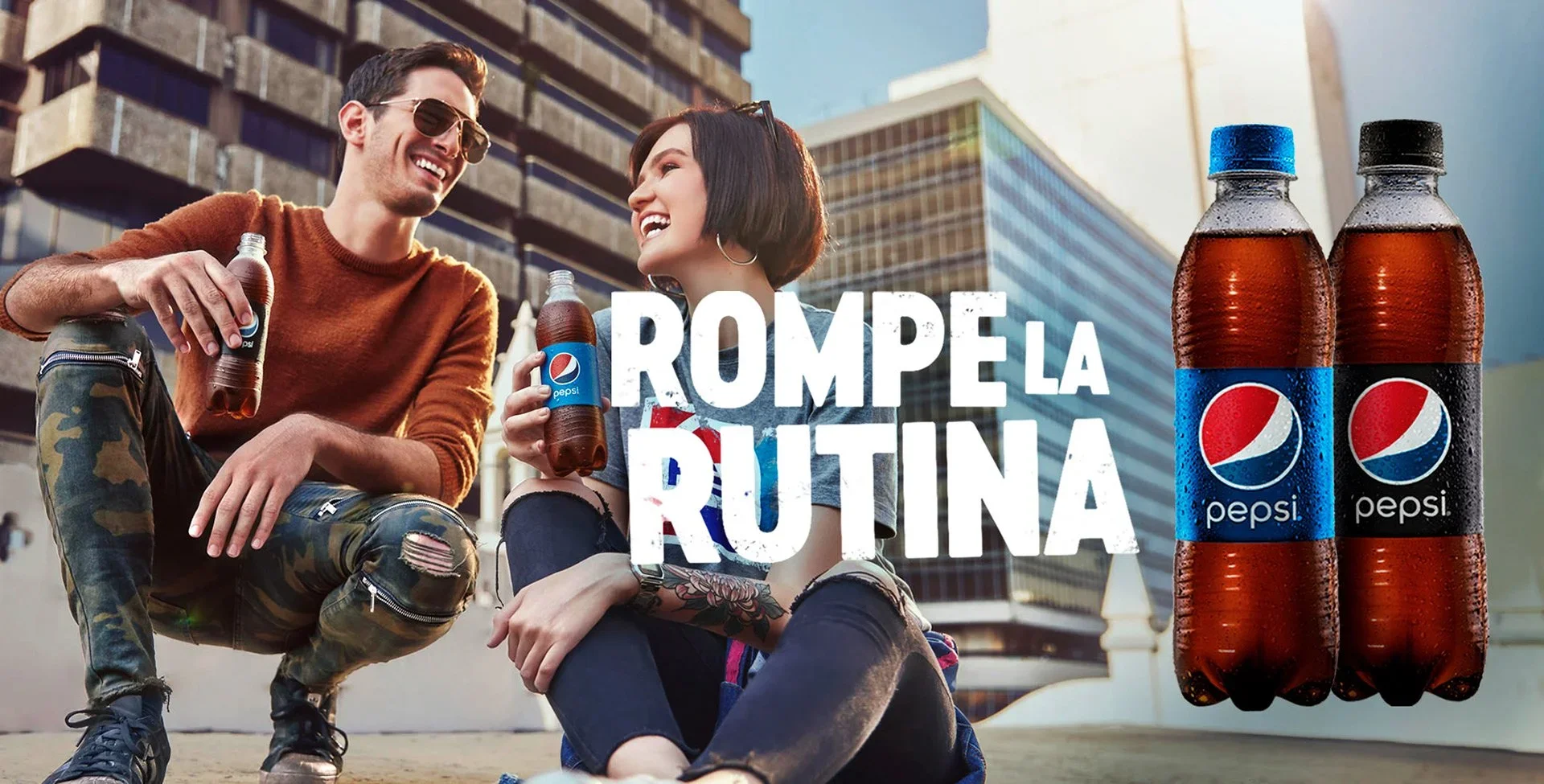
(For context: I was a contributing creative on a Gold Effie–winning Pepsi campaign with BBDO. That's the credential I'd weigh most heavily if I were the brand making a hire.)
4. AdForum ranking
AdForum ranks talent across advertising disciplines, and the Photography & Illustration section is one of the most-trafficked discovery channels for agency producers and brand-side creatives. The rankings are driven by a combination of work submissions, agency relationships, and platform engagement.
It's a softer signal than the previous three — but it tells you who's actively in the conversation among the people who book photographers for a living. A photographer ranked in the top tier of AdForum is, at minimum, present and active in the working market.
The press signal — what counts and what doesn't
Press coverage is a leading indicator of cultural relevance, but most of it is noise. Brand teams should learn to distinguish two types.
Type 1: campaign coverage. When a publication covers a specific campaign or piece of work — not a list, not a roundup, but the actual project — it means an editor decided the work was newsworthy on its own. That's the gold standard.
A recent example I can speak to directly: in April 2026, my team at Asa Films released the music video for Juanes' "La Carta," shot entirely on a vintage 1965 Canon Scoopic 16mm camera. Within two weeks the project was written up by HOLA! USA, People en Español, US Magazine, and El Diario NY. The coverage focused on the analog decision, not on the photographer — which is exactly what you want. The work has to be the story.
Type 2: roundup/listicle coverage. "Top 25 Miami Photographers to Watch." These are often paid placements or built by interns from press releases. They're not nothing, but they're a much weaker signal than campaign coverage. When you see a photographer's site stacked with this kind of badge, ask which ones are based on actual editorial review.
What to look for beyond credentials
Awards and memberships are necessary but not sufficient. Once a photographer has cleared the credential bar, brand teams should evaluate:
Portfolio depth, not just breadth. Ask for the last six months of paid work, not the greatest hits of the last six years. Recent work shows you what they're delivering now.
Client retention. A photographer who has shot for the same brand three times across two years is more valuable than one who has fifteen one-off brand credits. Retention is the truest review of working style.
Treatment quality. Ask for a written treatment for your specific project before signing. A treatment shows you how the photographer thinks — about your brief, your audience, your constraints. A moodboard alone is not a treatment.
Behance and IMDB presence. Working photographers maintain living portfolios. Check the photographer's Behancefor ongoing project documentation and their IMDB for verified directing or cinematography credits when relevant. Both are public, hard to fake, and reflect ongoing activity rather than a curated highlights reel.
LinkedIn for direct contact. Skip the contact form — connect with the photographer directly on LinkedIn and assess how they communicate. The first ten minutes of conversation predict how the shoot will go.
A hiring checklist for brand teams
Before signing a photographer for a campaign worth more than $25,000:
Confirm at least one credential from the four above (Lürzer's, APA Pro, Effie, AdForum ranked).
Ask for paid work from the last six months in the same lane as your brief.
Request a written treatment specific to your project — not a generic deck.
Verify recent campaign press coverage (Type 1, not Type 2).
Confirm appropriate insurance and a contract that protects both sides on usage rights and AI policies.
Have one voice or video conversation before committing.
Reference-check one client from the last 12 months who hired the photographer twice.
A photographer who passes all seven is in the top tier of the market. The credentials alone get you to the shortlist. The other six items get you to the right hire.
Frequently asked questions
Is Lürzer's Archive selection a pay-to-enter award? No. Selection is editorial — work is nominated and reviewed by international creative directors and Lürzer's own editorial team. There is no entry fee for the 200 Best list. Selected photographers are notified directly.
What's the difference between APA Pro and an Instagram-famous photographer? APA Pro requires a juried review of business practice, client roster, and professional documentation. Instagram following measures audience size, not professional standard. Many top-tier working commercial photographers have modest social presence; many high-following photographers have never delivered a paid brand campaign at scale.
How much does a top advertising photographer cost in 2026? For US-market work, day rates among photographers with one or more of these credentials range from $5,000 to $40,000+ depending on usage rights, exclusivity, talent involvement, and brand. There is no single "market rate" — each project is bid against its specific deliverables and usage window.
What credential matters most for a music or celebrity campaign? Effie and campaign press coverage. Music and celebrity campaigns are judged on cultural impact more than craft pedigree. Look for a photographer whose recent work has been covered editorially (campaign press, not listicles) and who has demonstrable label or talent-team relationships.
Where can I see verified work and credentials for Diego Cadavid?Lürzer's Archive profile, APA Pro profile, AdForum ranking, IMDB, Behance, and LinkedIn. Recent press coverage in HOLA! USA, People en Español, US Magazine, and El Diario NY.