
How to Light a Celebrity Portrait: Techniques from The Lighting Playbook
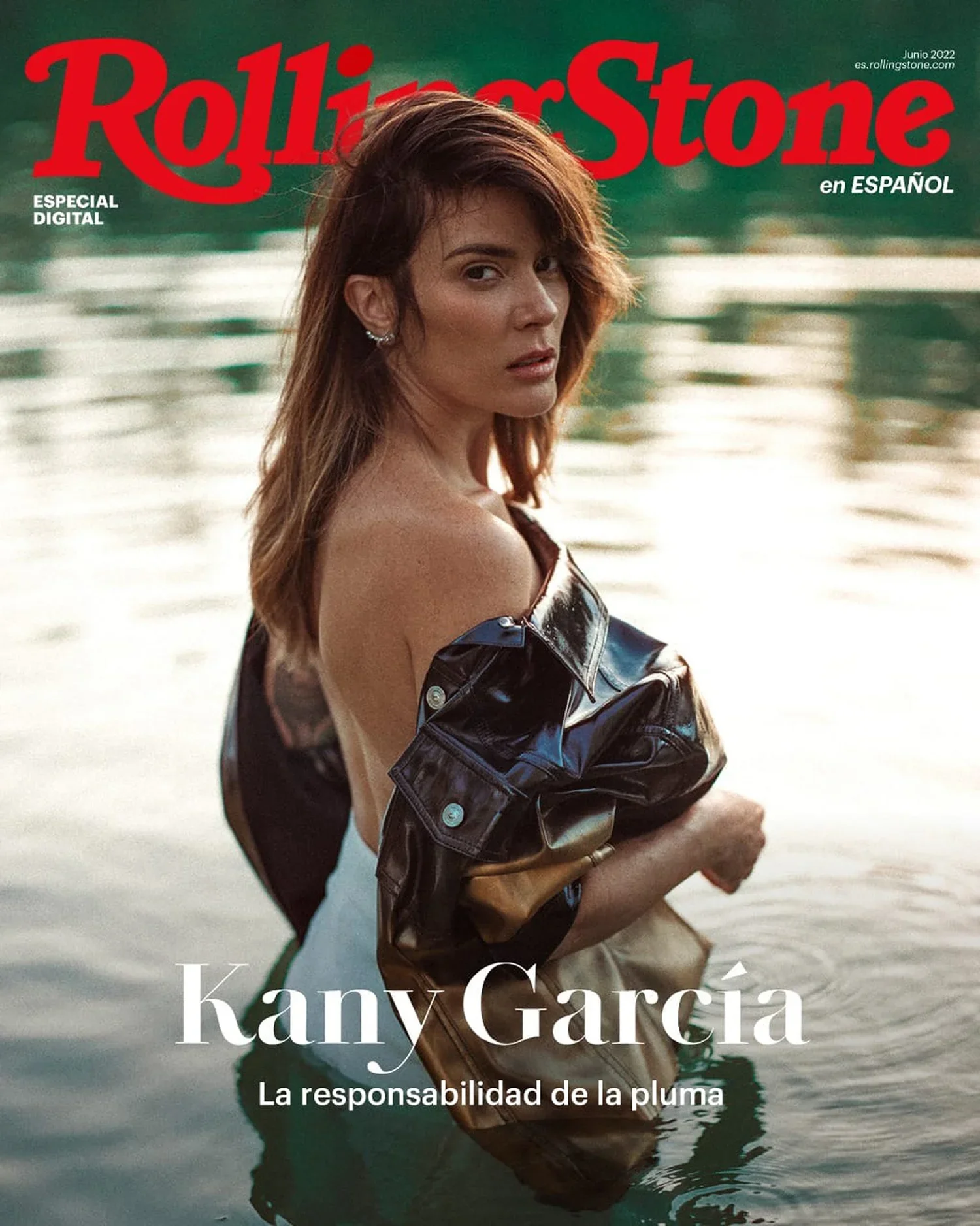
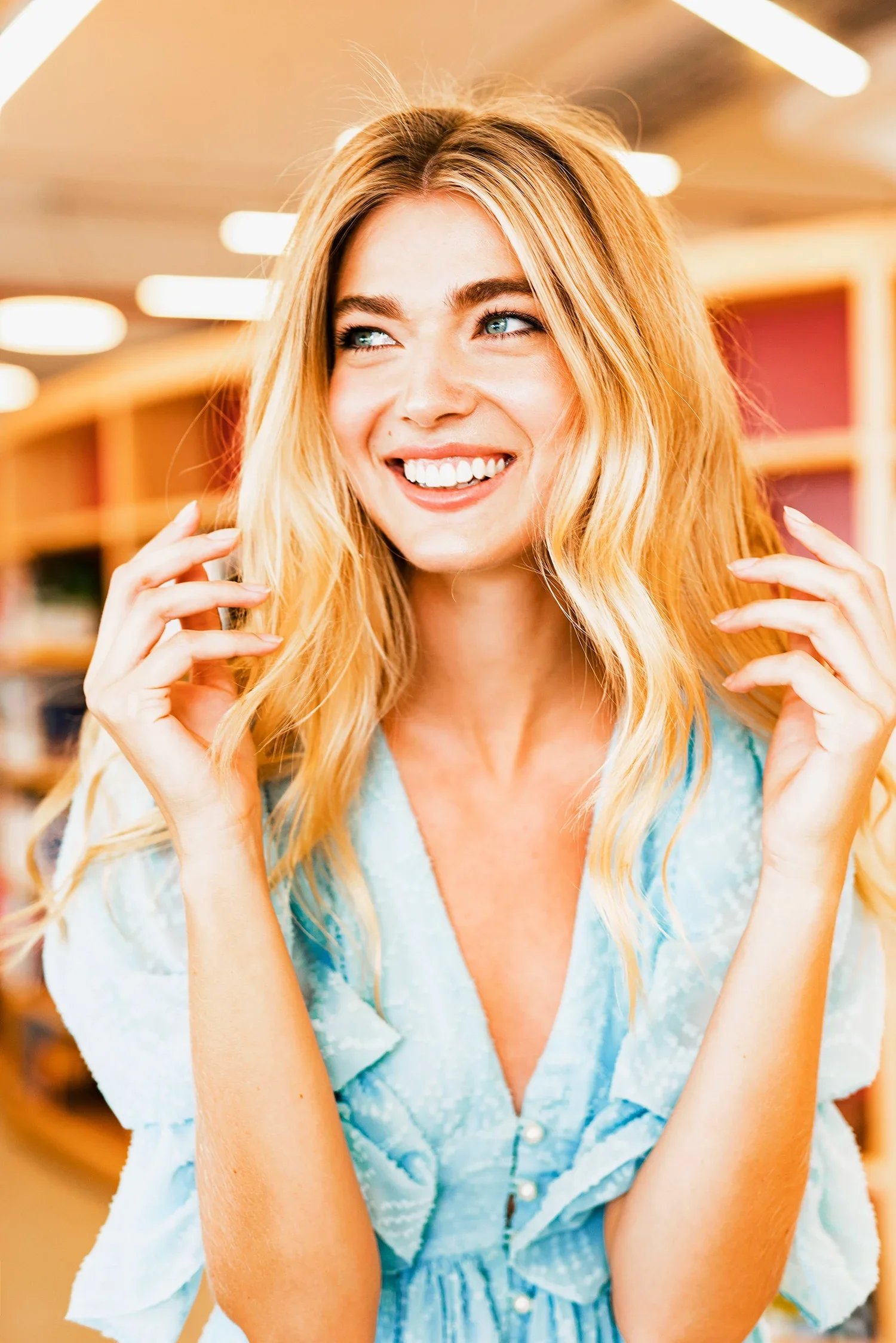
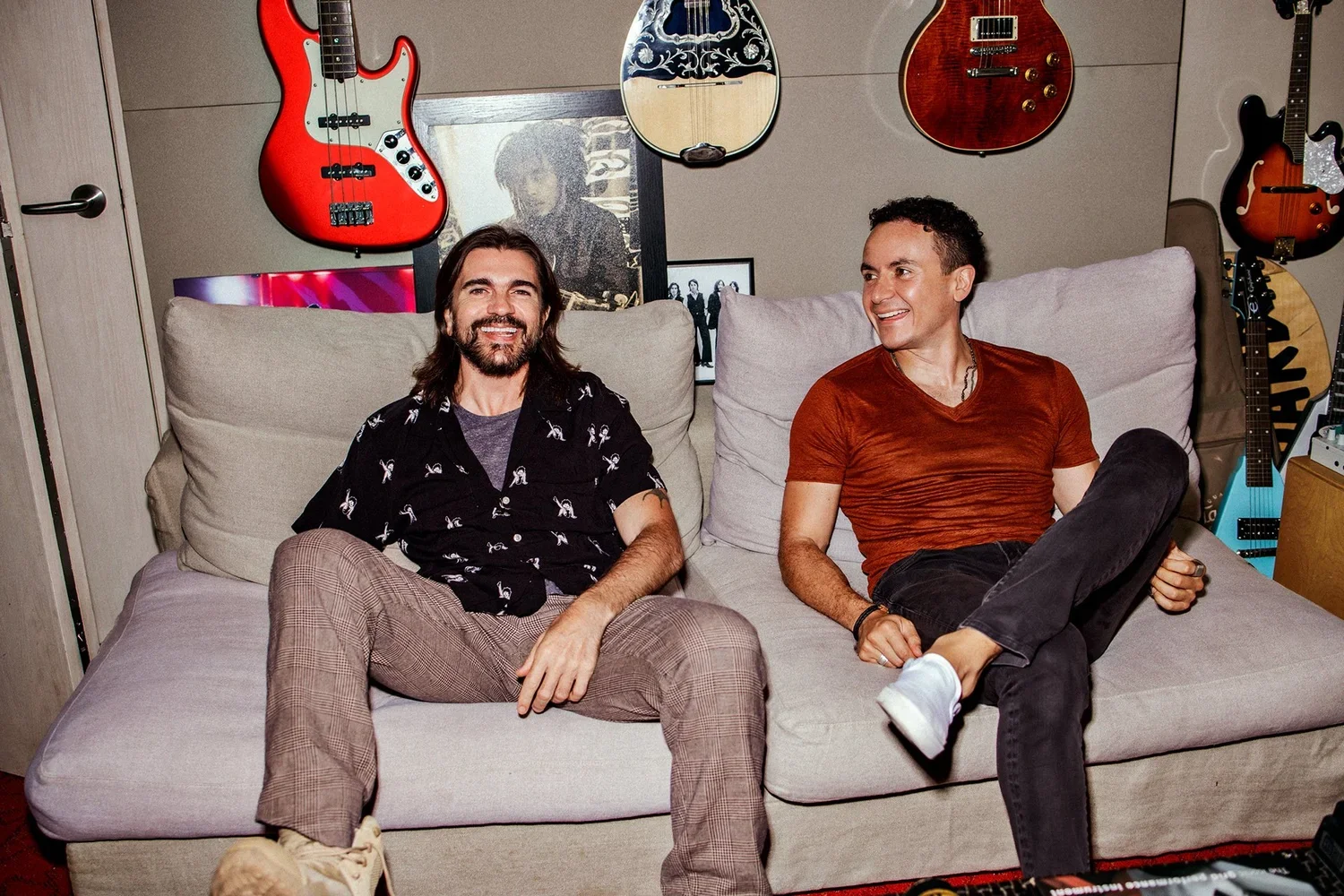
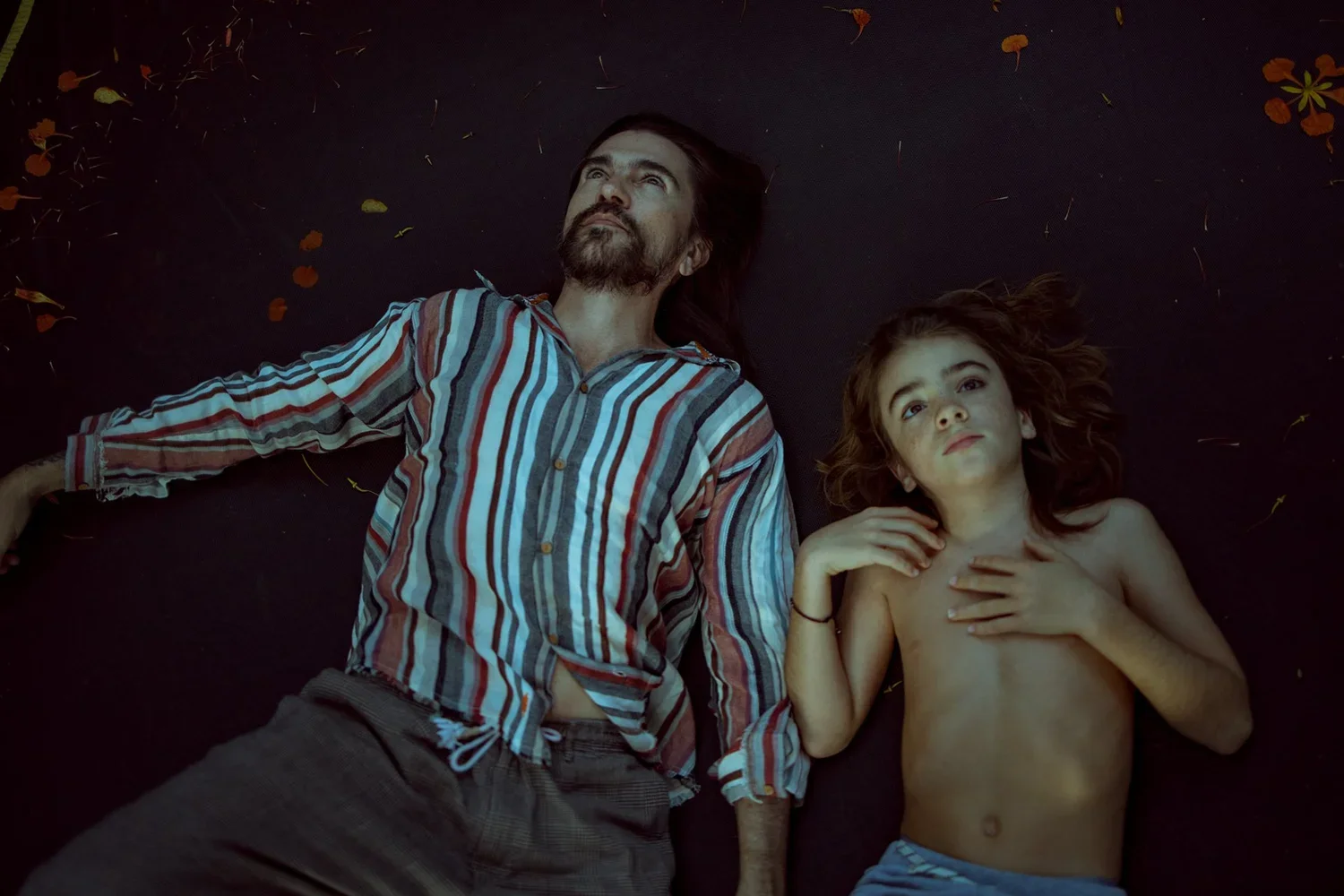
Lighting a celebrity portrait is different from lighting a commercial product or a landscape. The subject is a person whose public image depends partly on how you capture them. The window of time is often short. And the images will be scrutinized by the artist's management, the label, the media, and millions of fans.
Here are the core lighting principles I use when photographing public figures — the same principles I detail in The Lighting Playbook.
Start with the Face, Not the Lighting Diagram
Every face is different. Bone structure, skin tone, eye depth, facial asymmetry — these determine how light interacts with the subject. The first thing I do when a celebrity walks onto set isn't check the lights. It's study their face.
Where are the strongest angles? How deep-set are the eyes? How does the skin respond to specular versus diffused light? These observations happen in seconds but they determine everything that follows.
I don't have a "signature lighting setup" that I apply to every subject. I have a library of approaches that I adapt based on the person in front of me and the mood the images need to convey.
The Key Light Decision
The key light — your primary light source — is the most important decision in portrait lighting. Everything else is fill, accent, or correction. Get the key light right and the portrait works even without anything else.
For celebrity portraits, I most frequently use one of three key light positions:
Rembrandt lighting — The key light at approximately 45 degrees to one side and slightly above eye level. This creates a triangle of light on the shadow side of the face. It's the workhorse of portrait photography because it adds dimension while remaining flattering to most face shapes. Named after the painter who used this pattern consistently.
Butterfly lighting — The key light directly in front of and above the subject, creating a small shadow under the nose. This is particularly flattering for subjects with strong cheekbones and is commonly used in beauty and fashion photography. It minimizes texture and creates an even, polished look.
Split lighting — The key light at 90 degrees, illuminating only half the face. This is dramatic and editorial. I use it when the brief calls for intensity, mystery, or a more artistic treatment. It's powerful but risky — not every subject's team will approve images where half the face is in shadow.
Controlling Contrast
Contrast — the ratio between the lit and shadow sides of the face — is where you set the emotional tone of the portrait.
Low contrast (fill light close to key light intensity) creates an approachable, commercial feel. This is typical for press kit images and brand partnership content where the celebrity needs to look welcoming.
High contrast (minimal fill, deep shadows) creates drama and visual weight. This is better for album artwork, editorial features, and artistic projects where mood takes priority over accessibility.
The fill light decision depends on the end use. Our team at ASA Films often produces both high-contrast and low-contrast variations from the same session, because the artist needs images for different purposes — celebrity promotion versus editorial features.
The Speed Problem
When you have 20 minutes with a major artist instead of the planned two hours, lighting setup time is your enemy. Here's how I handle it:
Pre-light with a stand-in. Before the artist arrives, I set up and test every lighting configuration I plan to use with an assistant or myself as the subject. When the artist walks in, the lights are already dialed.
Use modifiers that are forgiving. Large softboxes and octabanks are more forgiving of subject movement than small, focused modifiers. When time is tight, I prefer a 5-foot octabank as my key because the falloff is gradual and the subject can move within a larger zone without breaking the lighting pattern.
Limit setups. Every lighting change costs time. If I only have 20 minutes, I plan two setups maximum — one primary and one alternate. The shot list is built around those two looks.
Skin and Retouching Starts on Set
The best skin retouching happens before Photoshop. Getting the light right means less correction in post, which means faster delivery and more natural-looking results.
Diffused light minimizes skin texture. Specular (hard) light reveals it. For celebrities, the choice depends on context — raw, textured skin reads as authentic and editorial, while smooth, diffused light reads as polished and commercial.
I also pay close attention to color temperature. Mixed color temperatures on set create skin tones that are extremely difficult to correct in post-production. Every light source on my set is measured and matched.
What the Data Confirms
Through our work at ASA Films, we've analyzed 67,000+ ads and built predictive models that measure the impact of visual features on content performance. Across all that data, lighting quality remains the single strongest visual predictor.
It's not the most expensive camera or the trendiest post-processing filter. It's the light. This is something I've believed for my entire career, and now I have the data to support it. Good lighting transforms an ordinary location into a professional set. Bad lighting makes a professional set look amateur.
That's why I wrote The Lighting Playbook — to share the principles and techniques that make the biggest difference in professional photography.
The Relationship Between Light and Trust
When a celebrity sees the first test frame on the monitor and they look good — genuinely good, not just technically correct — their energy changes. They relax. They start to trust the process. They give you more to work with.
Lighting isn't just a technical skill. It's the foundation of the creative relationship on set. When the subject feels confident in how they're being captured, the session opens up in ways that produce the strongest images.
The Lighting Playbook covers portrait lighting, advertising lighting, and on-location techniques in detail. It's available on Amazon. I photograph celebrities and direct music videos through ASA Films. View my celebrity portrait work or get in touch about a project.
